
Arts and Recreation
Coming Up at Nova Arts in Keene
Shows Are Happening both Friday, June 13 and Saturday, June 14!
Friday, June 13 we are welcoming Moon Hollow, who are a high energy Western Massachusetts band performing original and traditional tunes inspired by folk, americana, bluegrass, alt-country & early jazz music. Some notable acts they have shared the stage with include Ryan Montbleau, Matt Heckler, DiTrani Brothers, Jatoba, Folkfaces, Chris Pureka, Blind Owl Band, etc. Catchy originals & tight three-part harmonies!
Also on the bill is banjo player & singer/songwriter Amy McIntire. In 2003, after attempting the guitar for several years, small hands and intolerance for buzzing strings led her to the banjo where she remains firmly rooted. Her unique picking style is a happy mix of claw hammer and three finger styles and is reflective of many years of indecision. Her love for nature, human nature, humor, and melody are apparent in her works. Amy regularly performs as half of the duo MA'AM all over southern West Virginia.
And on Saturday, June 14, we've got Vern's Instrumental Extravaganza, a dynamic 4 piece band that plays a mesmerizing hybrid of genres including prog rock, fusion, latin and blues. Fronted by Keene native Todd Tousley.
Kicking the night off will be Tribus, which plays contemporary, original, heavily improvised instrumental music morphing jazz with a variety of styles. The band features Steve Bychowski on guitar, Doug Morton on bass, and Tim Morton on drums. Their album "Electric Meadow" is available on the major streaming services.
Doors for both shows are at 7:00 pm and music will begin at 7:30! Seating is first come first served!
Thanks to a grant from TD Charitable Foundation, these shows have an Access For All option which lets you name your price (you can't buy multiples of this option at the same time, so to buy more than one ticket, it is necessary to do each additional ticket in a different transaction).
As always, shows are all ages, and we encourage you to get tickets in advance via https://www.novaarts.org/events or at Brewbakers / Terra Nova Coffee. They are also available at the door! Nova Arts is located at 48 Emerald St, Keene, NH.
Nova Arts launches Access for All initiative with support from the TD Charitable Foundation
Nova Arts is proud to announce the launch of our Access for All initiative, a new program made possible through a generous grant from the TD Charitable Foundation.
To celebrate four years of concerts at Nova, we're introducing a pay-what-you-can model for every show this summer. Through the Access for All option, attendees will have the freedom to name their own ticket price--or attend for free--ensuring that cost is never a barrier to experiencing live music and the arts.
The TD Charitable Foundation grant will help cover the cost of artists, production, and staff--ensuring our performers and sound technicians are paid fairly while we expand access to our arts and music programming. We invite those who are able to continue purchasing tickets at the standard price to do so, helping to sustain this initiative for the entire community.
At Nova, we believe that art and music is for everyone. Access for All is a step toward building a more inclusive arts culture in our region, where everyone--regardless of resources--can participate, connect, and find inspiration.
For more information and a full schedule of upcoming events, visit www.novaarts.org
Finances
Questions to Ask Your Financial Advisor
You should always be able to ask as many questions as you'd like when working with your financial advisor. So, before your annual review, think carefully about what you'd like to ask. Here are a few suggestions:
First, ask if your goals are still realistic. For example, are you still on track toward retiring at a particular age? If not, you may need to adjust your investment strategy.
Also, if you find yourself feeling nervous or uncomfortable about your investment results, you might want to ask if your investment mix is still appropriate for your risk tolerance. Maybe it's time to rebalance your portfolio.
Here's another possible question: Ask if changes in your life--such as marriage, remarriage, loss of a spouse, new children or grandchildren--will affect the way you invest or the goals you've set.
Finally, ask how you should respond to external changes such as higher interest rates, stock market fluctuations or changes in tax laws.
A financial professional can provide you with valuable guidance--so take advantage of it by asking the right questions.
This content was provided by Edward Jones for use by Jordyn Lynds, your Edward Jones financial advisor at 978-297-7452 or stop by 113 Central St. Winchendon, MA 01475.
Member SIPC
Gardening
Plant Sunflowers for a Season of Enjoyment
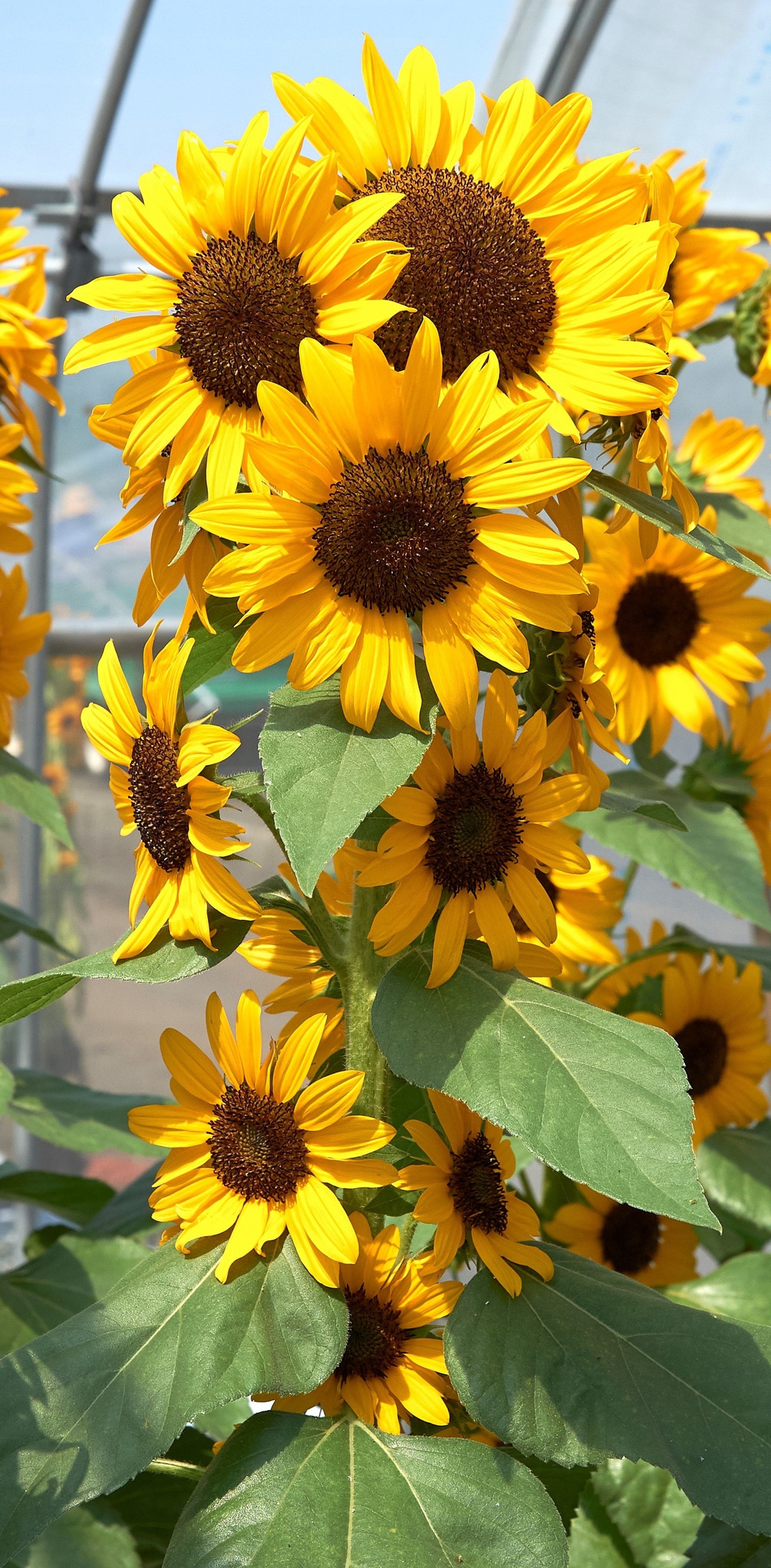
Concert Bells produce multiple flower heads along the stem for a ready-made bouquet from a single stem.
Photo courtesy of All-America Selections
Sunflowers are one of those happy plants many gardeners can't resist planting. Kids love to watch the plants reach for the sky and everyone enjoys all the visitors. You are likely to see hummingbirds, bees and other pollinators on the flowers, songbirds munching on the seeds, and squirrels practicing acrobatic contortions as they try to gain their fair share of the harvest.
What we call the flower is made of 1,000 to 2,000 individual flowers. The large petals are, in fact, infertile ray flowers that do not develop into seeds. The center consists of fertile disk flowers that develop into seeds after pollination occurs.
These versatile flowers tolerate a wide range of soils around the world and are drought tolerant. It is not surprising they have been used by people for more than four thousand years. Native Americans used the flowers for pigments, seeds for food, the dried stems for construction and fuel. Today millions of acres of sunflowers are grown for the edible seeds, oil, and birdseed.
There is still time to plant sunflowers. Just check the seed packet for the number of days from planting seed until bloom. You'll find varieties that mature in as few as 55 days while others need as many as 120 days to flower. Start planting sunflower seeds directly in the garden after the danger of frost has passed and soil is about 60°F. Extend the bloom time by making additional plantings, allowing enough time for the plants to flower before the first fall frost.
Protect seeds and seedlings from birds and other critters. Cover the area with a floating row cover, a spun fabric that lets air, light and water through to the plants, or some type of netting or screen. Plant the seeds one to two inches deep and six inches apart in rows two to three feet apart. Remove every other seedling once they are several inches tall.
Protect young plants from deer if needed. These critters can quickly destroy young plants so consider using a repellent or fencing if deer are a problem in your area.
Water often enough to keep the soil moist around the seeds and young seedlings. Gradually extend the time between watering to encourage the plants to grow a robust root system. Continue to water thoroughly as needed throughout the growing season. Fertilize at planting and make a second application mid-summer if needed. Follow the fertilizer label directions for proper timing and rates.
Staking isn't usually needed to support even the taller varieties unless they are growing sunflowers in a windy location or are overcrowded. Use a metal or wood stake placed close to the stem if you need to stake the plants. Secure the plant to the stake using twine or soft ties made from cloth.
As the flowers appear, watch them track the sun from east to west and return facing east each morning. Scientists recently discovered the young plant's sun-tracking, also called heliotropism, is tied to the plant's circadian rhythms. One side of the stem elongates during the day and the other side at night, directing the flower toward the sun. As the flowers mature, they stay facing east, helping to attract pollinators like bees to the warmer flower surface.
Enjoy watching your sunflowers sprout, grow and flower. Take time to observe the many visitors to the blooms and be sure to harvest a few seeds for snacking.
Melinda Myers has written over 20 gardening books, including The Midwest Gardener's Handbook, 2nd Edition MN & WI Month-by-Month Gardening, and Small Space Gardening. She hosts The Great Courses "How to Grow Anything" DVD series and the nationally-syndicated Melinda's Garden Moment radio program. Myers is a columnist and contributing editor for Birds & Blooms magazine. Myers' web site is www.MelindaMyers.com which features gardening videos, audio tips, free webinars, monthly gardening tips, and other gardening information.