
Arts and Recreation
Barney Fife Look-Alike Contest at The Park Theatre in Jaffrey
Contest in honor of Don Knotts' daughter, Karen Knotts, one-woman live performance at the theatre on June 14, 7:30pm
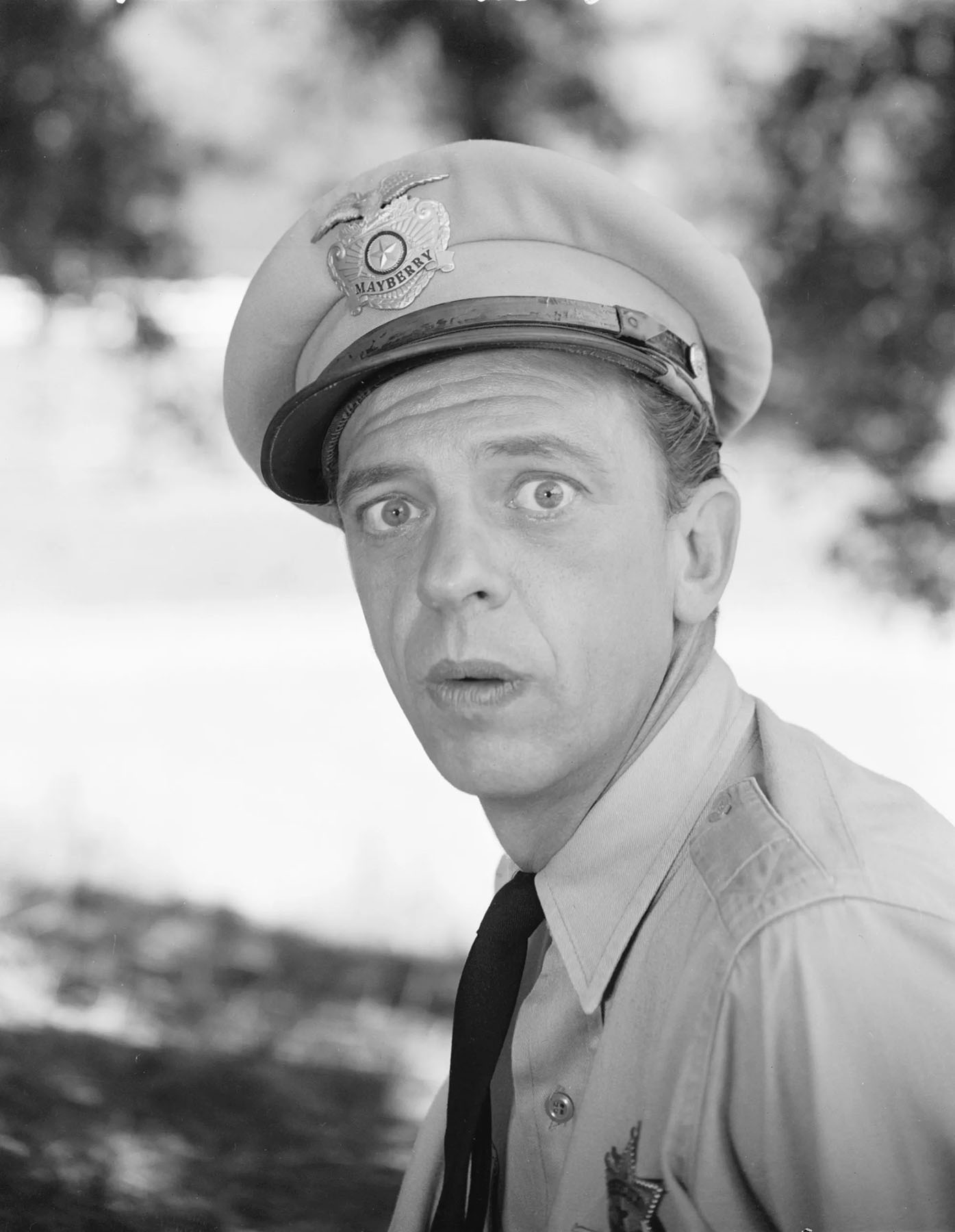
Don Knotts as Barney Fife
Photo courtesy of The Park Theatre
JAFFREY, New Hampshire (June 9, 2025) The Park Theatre is thrilled to announce a Barney Fife Look-Alike Contest in honor of Don Knotts' daughter, Karen Knotts, who will perform her acclaimed one-woman show, Tied Up in Knotts, on Saturday, June 14, 2025, at The Park Theatre in Jaffrey, New Hampshire. The contest, celebrating the iconic character Barney Fife from The Andy Griffith Show, will take place in the theater's lobby at 4:00 PM on the same day, just before Karen's performance.
Participants are invited to channel their inner Deputy Fife, dressing in costume and embodying the look and charm of Don Knotts' beloved character, Barney Fife. The winner of the look-alike contest will receive $50 in gift certificates to The Park Theatre, with the runner-up awarded $25 in gift certificates. This fun-filled event promises laughter and nostalgia as fans gather to celebrate the legacy of Don Knotts and his unforgettable role.
Karen Knotts' Tied Up in Knotts is a heartfelt and hilarious tribute to her father's life and career, offering audiences a unique blend of storytelling, humor, and personal anecdotes. The Barney Fife Look-Alike Contest is the perfect way to kick off this special evening at The Park Theatre.
For more information about the contest, Karen Knotts' performance, or to reserve your spot, contact The Park Theatre box office at 603-532-8888 or visit theparktheatre.org. Don't miss this chance to celebrate a comedy legend and show off your best Barney Fife impression!
The Park Theatre is a state-of-the-art performing arts center in Jaffrey, New Hampshire, dedicated to bringing world-class entertainment and community events to the Monadnock region. With a mission to inspire, entertain, and engage, The Park Theatre is proud to host this special event honoring Don Knotts and his daughter, Karen.
The Park Theatre Presents "76 Days Adrift" Documentary Screening with Exclusive Q&A Jaffrey, NH
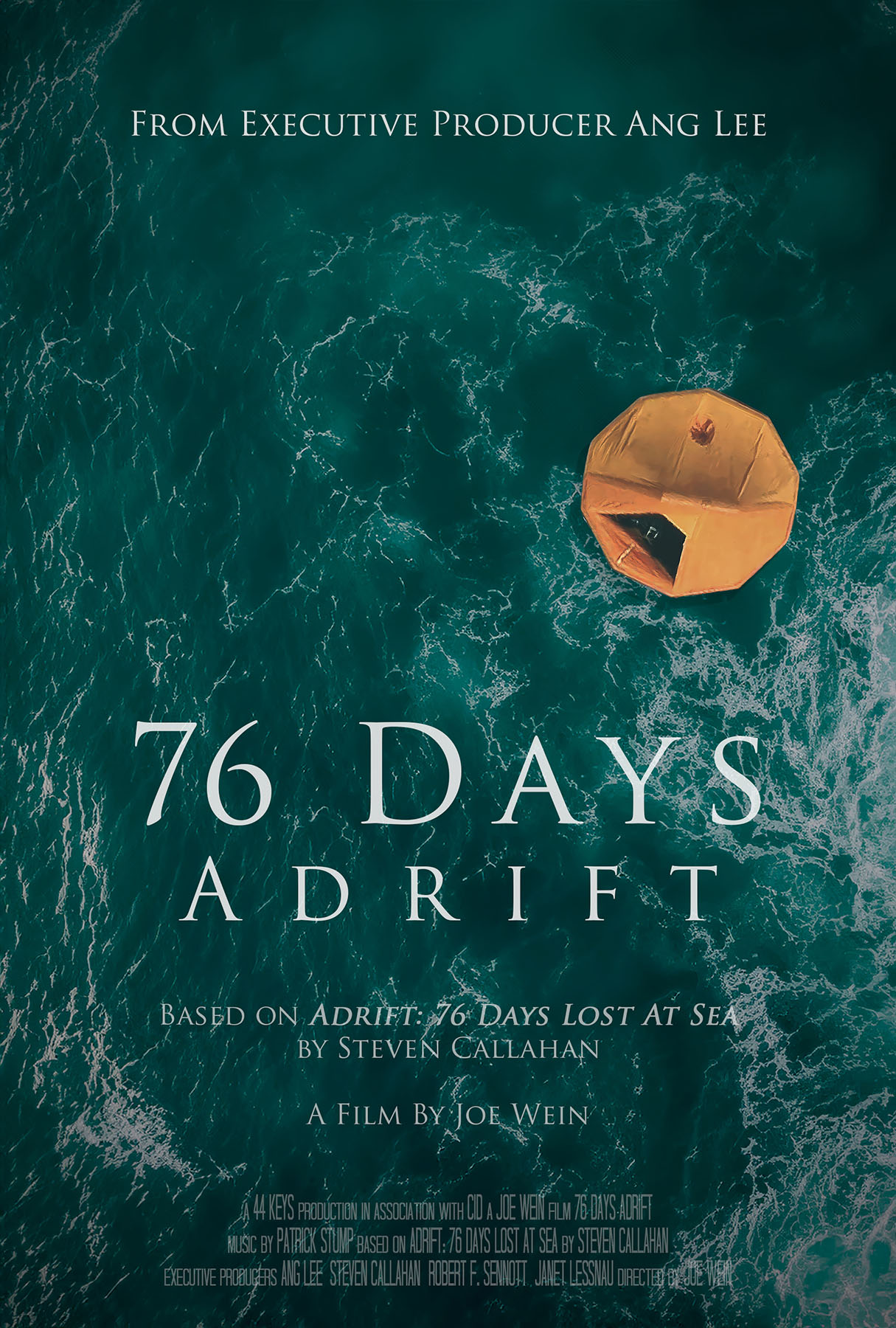
Photo courtesy of The Park Theatre
JAFFREY, New Hampshire (June 9, 2025) The Park Theatre in Jaffrey, NH, is thrilled to announce the screening of the award-winning documentary "76 Days Adrift" from June 20-22, 2025. This gripping film, executive produced by Ang Lee, chronicles Steven Callahan's harrowing 76-day survival at sea after a whale sank his sailboat in 1982, based on his New York Times bestseller "Adrift: 76 Days Lost at Sea." Directed by Joe Wein with a haunting score by Patrick Stump, the documentary is a powerful meditation on human resilience. The film is part of the theatre's Filmmakers Series.
On Saturday, June 21, at the 2:00 PM screening, Executive Producer Rob Sennott will host the film and lead a Q&A talkback session afterward, offering audiences a unique opportunity to explore the making of this extraordinary story. Screenings are scheduled for Friday, June 20 at 7:00 PM; Saturday, June 21 at 2:00 PM (with talkback) and 7:00 PM; and Sunday, June 22 at 2:00 PM. Tickets are $15 and available at theparktheatre.org or by calling (603) 532-9300. The screenings are in the theatre's 333-seat Eppes Auditorium with its giant 27-foot wide screen and 17-speaker surround sound.
The Park Theatre, located at 19 Main Street, Jaffrey, NH, is New England's unique showplace for live entertainment and film. Don't miss this chance to experience "76 Days Adrift" and engage with its inspiring narrative of survival and hope.
Finances
Should you pay off debts or invest?
Sometimes, paying down debt competes with your desire to invest. What's the best course of action?
Here are a few things to consider.
If your cash flow is strong after paying monthly expenses, you might want to invest the extra money. But if you're just getting by, possibly due to high-interest loans, you may be better off reducing or refinancing your debt load.
Which debts should you tackle first? You may want to start by paying down high-rate consumer loans whose interest cannot be deducted from your taxes.
For the future, you may be able to help control your debts by building an emergency fund, with the money held in a liquid account, to pay for unexpected expenses.
On the investing side, if your employer offers a 401(k) with a match, contribute enough to earn the match. It's effectively free money.
However you manage investing and debt, taking small, incremental steps is key to helping you get to where you want to go.
This content was provided by Edward Jones for use by Jordyn Lynds, your Edward Jones financial advisor at 978-297-7452 or stop by 113 Central St. Winchendon, MA 01475.
Member SIPC
Gardening
Create, Plant, and Maintain a Pollinator Garden
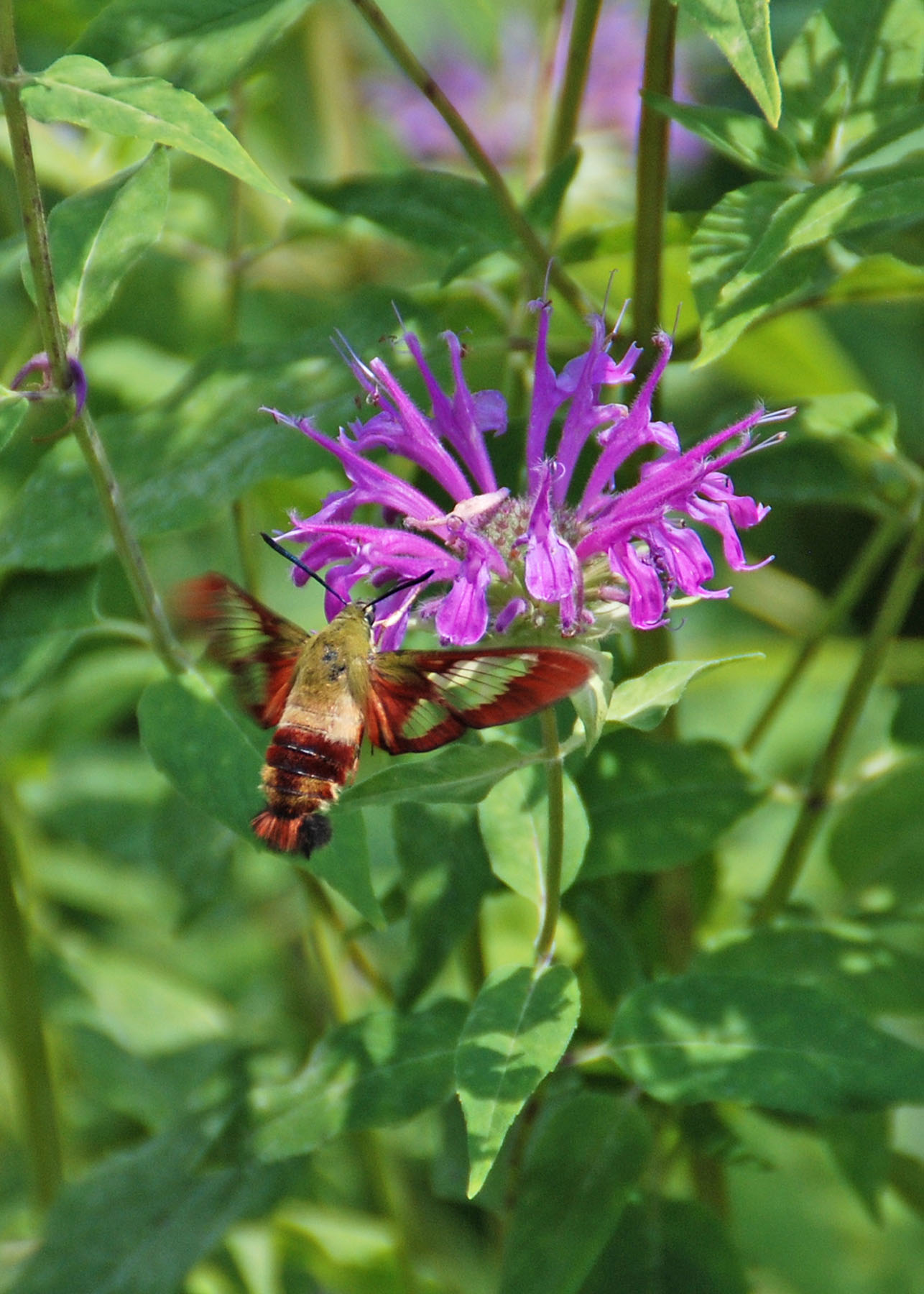
A Hemaris Hummingbird Moth on a Monarda flower.
Photo courtesy of MelindaMyers.com
Celebrate National Pollinator Month this June by creating and maintaining a garden that attracts and supports these important members of our ecosystem. Pollinators are responsible for about 75 percent of the food we eat and play an important role in producing food, fiber, medicine and more. The European honeybee is the most well-known but our native bees along with moths, wasps, beetles, flies, bats, and some birds also help pollinate our gardens.
Just like the honeybees and Monarch butterflies, many pollinators are struggling with their populations dwindling due to pesticides and loss of habitat. You can make a difference by creating pollinator gardens filled with their favorite plants.
Start helping all pollinators and the environment by reducing or better yet eliminating the use of pesticides. If you opt for a chemical solution, look for the most eco-friendly product and as always read and follow label directions to minimize the negative impact on the environment and pollinators.
As you create your pollinators' paradise include shelter from predators and the weather. Include trees and shrubs, if space allows, providing you with year-round interest and nectar, pollen, and tasty leaves as well as nesting sites and safe havens for the various life stages. Leave patches of open soil for ground nesting bees and some leaf litter to shelter some butterflies, bumblebees, and other pollinating insects.
Plant a variety of native plants, herbs and other pollinator favorites that provide nectar and pollen throughout the season. Spring bulbs, early blooming wildflowers and perennials provide essential food that is often in limited supply early in the season. Fall flowering plants provide needed energy supplies as the bees, hummingbirds, and other pollinators prepare for winter.
Include plants with different colors and shaped flowers to attract and support a variety of pollinators. Plant flowers in mass. You will enjoy the display, the garden will require less maintenance, and the pollinators will use less energy when they can gather lots of food from a smaller area.
Planting masses of flowers like columbine, sweet alyssum, annual and perennial salvia, cupheas, cosmos, phlox, zinnias, bee balm, liatris, sedum, asters and more to help attract these beauties to your landscape. Fuchsias, begonias and impatiens are perfect for shady locations. And don't let a lack of space dissuade you; even a window box of flowers can help.
Bigger flowers are not always better. Double flowers may be showy, but they have less nectar and pollen. The multiple layers of petals may hinder access to the nectar and pollen they contain.
Grow some herbs in the garden and containers for you, the bees, and other beneficial insects. Let some go to flower and watch for visitors on thyme, borage, oregano, and other herb flowers. Tolerate a bit of damage on parsley, dill and fennel as the swallowtail caterpillars dine on the leaves. These vigorous plants will recover once the caterpillars transform into beautiful butterflies.
Add some native plants to your gardens whenever possible. They are a richer source of nectar and pollen than cultivated plants. Pollinators and other beneficial insects have evolved with these plants, providing a mutual benefit.
Puddles, fountains, birdbaths and even a damp sponge can provide needed water. Include water features with sloping sides or add a few stones for the visitors to sip without getting wet. Sink a shallow container of sand in the ground. Keep it damp and add a pinch of sea salt for the butterflies and bees. Add a flat stone for warming and be sure to watch for and snap a few photos of visitors as they sip and sun in your garden.
If you create it, they will come. Be patient, make note of their favorites, and keep growing to attract, support and enjoy these important garden visitors.
Melinda Myers has written over 20 gardening books, including The Midwest Gardener's Handbook, 2nd Edition MN & WI Month-by-Month Gardening, and Small Space Gardening. She hosts The Great Courses "How to Grow Anything" DVD series and the nationally-syndicated Melinda's Garden Moment radio program. Myers is a columnist and contributing editor for Birds & Blooms magazine. Myers hosted "The Plant Doctor" radio show on WTMJ radio for over 20 years and seven seasons of Great Lakes Gardener on PBS. Myers' web site is www.MelindaMyers.com which features gardening videos, audio tips, free webinars, monthly gardening tips, and more.