
Arts and Recreation
Coming Up at Nova Arts in Keene
Nova Arts establishes Access for All as a permanent part of their programming, with help from Savings Bank of Walpole
Nova Arts is proud to announce that after the successful pilot of our Access for All initiative, we are making it a permanent part of our programming thanks to support from Savings Bank of Walpole.
Beginning this past summer, folks were able to use the Access for All option, giving attendees the freedom to name their own ticket price--or attend for free--ensuring that cost is never a barrier to experiencing live music and the arts. The response was so positive and it resonated with audiences and artists alike as a necessary step in the development of Nova Arts and our vision for cultivating a "creative living room" atmosphere here in Keene.
Savings Bank of Walpole is picking up where the original TD Charitable Foundation grant left off, providing partnership, awareness, and financial support for this expanded access to our arts and music programming. We invite those who are able to continue purchasing tickets at the standard price to do so, helping to sustain this initiative for the entire community.
At Nova, we believe that art and music is for everyone. Access for All is a step toward building a more inclusive arts culture in our region, where everyone--regardless of resources--can participate, connect, and find inspiration.
For more information and a full schedule of upcoming events, visit novaarts.org.
Nova Arts is located at 48 Emerald St, Keene, NH.
Regional News
Second Chance Animal Services Launches Program to Inspire the Next Generation of Mission-Driven Animal Care Professional
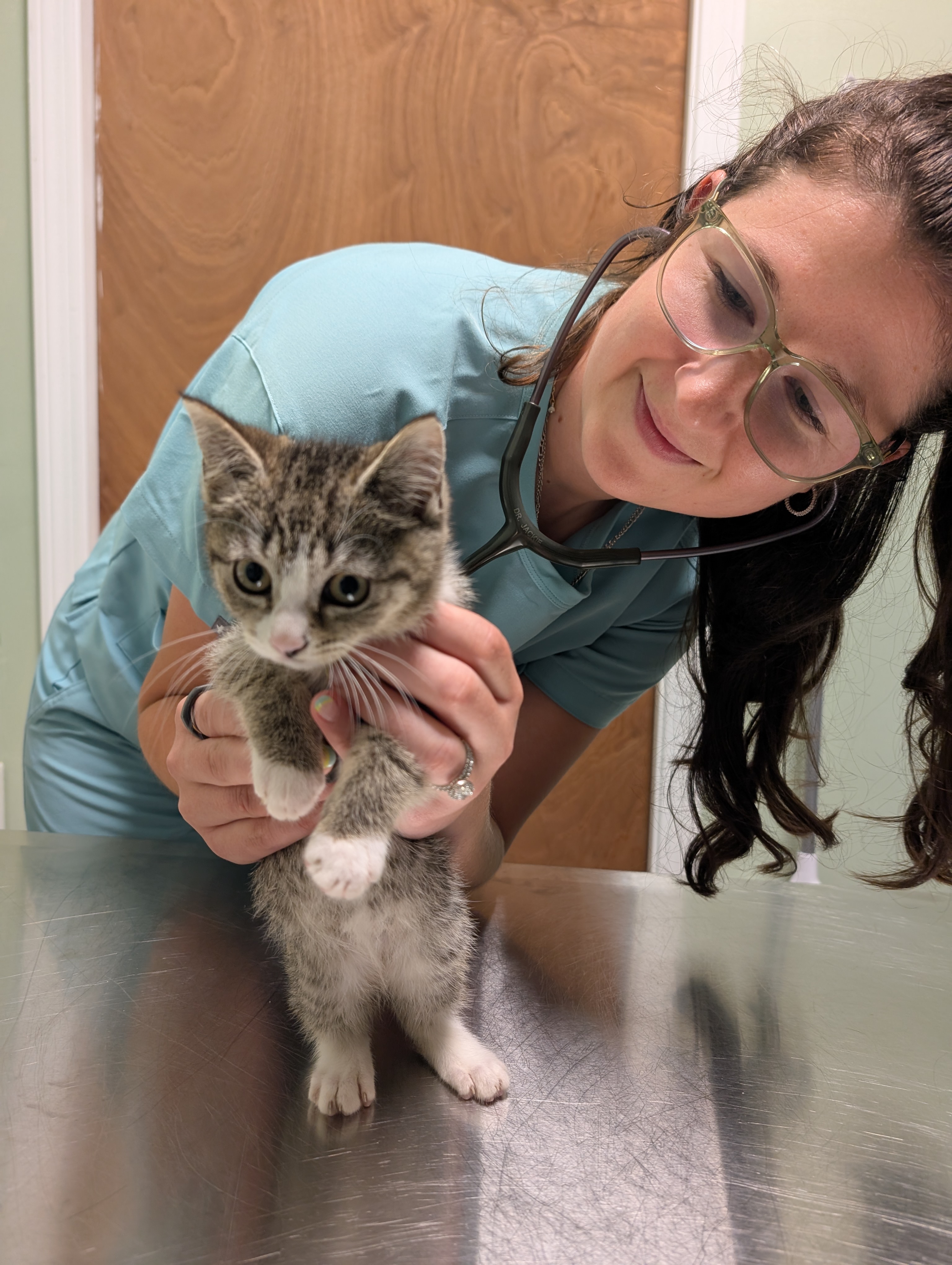
Dr. Jackie Fix shares a moment with a kitten during an exam.
Photo courtesy of Second Chance Animal Services
EAST BROOKFIELD, MA (January 21, 2026) - Second Chance Animal Services, a nationally recognized nonprofit improving the lives of pets through veterinary care, adoption, and community programs, today announced the launch of Behind the Paw, an immersive experience designed to introduce qualified job applicants to careers in mission-driven animal welfare.
Behind the Paw offers applicants the rare opportunity to spend a few hours or a full day alongside Second Chance staff in departments including veterinary services, shelter and animal care, reception, development, and more. Participants observe real-world operations and learn how each role contributes to Second Chance's mission of helping pets stay healthy, stay in their homes, and find new beginnings.
"As one of the fastest-growing nonprofit animal welfare organizations in Massachusetts, Second Chance is always looking for compassionate, dedicated people who want to make a difference," said Sheryl Blancato, Chief Executive Officer of Second Chance Animal Services. "Behind the Paw gives qualified applicants the chance to see firsthand what mission-driven work looks like and how every team member plays a vital role in saving and improving pet lives."
Second Chance helps more than 64,000 pets each year through affordable veterinary care, community programs, adoption services, and shelter support. As demand for its services continues to increase, the organization is expanding programs and developing innovative community initiatives, creating a continual need for skilled, values-aligned professionals.
Behind the Paw is specifically designed for individuals who are qualified to work in roles such as veterinarian, veterinary technician/assistant, animal care technician, veterinary reception, and development/fundraising.
Qualified participants may explore opportunities for both current openings and roles that may become available in the future. When no current openings exist, applicants may be added to Second Chance's talent priority list, ensuring they are among the first considered for new or upcoming positions as the organization continues to grow.
Behind the Paw is for qualified job applicants only and students enrolled in veterinary, vet tech, animal science, or related programs can apply to Second Chance's dedicated intern/externship program instead, which is tailored to meet academic and hands-on training requirements.
"Second Chance is not just a workplace, it's a mission," added Blancato. "Every person who joins our team helps us keep pets with the families who love them and expand access to affordable veterinary care across Massachusetts. Behind the Paw helps prospective team members experience that purpose before they apply."
Those interested in exploring this program should visit their website at www.secondchanceanimals.org/behind-the-paw/. Applicants must be qualified to be considered for a position to be considered for this program.
Financial Focus®
Tax-saving moves you can still make for 2025
Tax season is upon us, and while April 15 may seem like it's right around the corner, you still have time to make some strategic moves that could lower your 2025 tax bill. Whether you're looking to reduce your taxable income or set yourself up for a more secure financial future, these options are worth considering.
Contribute to an IRA. One of the most popular tax-smart moves is contributing to an Individual Retirement Account. You have until the April 15 filing deadline to contribute to an IRA for the 2025 tax year. You can contribute up to $7,000, or $8,000 if you're 50 or older.
If you choose a traditional IRA, your contributions may be tax-deductible depending on your income level and whether you participate in an employer-sponsored retirement plan. Your earnings grow tax-deferred until you withdraw them in retirement. With a Roth IRA, you won't get an immediate tax deduction, but your earnings can grow tax-free if you follow the withdrawal rules.
Max out your Health Savings Account (HSA). If you're enrolled in a high-deductible health plan, a Health Savings Account offers triple tax advantages. You can still make HSA contributions for 2025 until April 15. The limits are $4,300 for individual coverage and $8,550 for family coverage. If you're 55 or older, you can contribute an additional $1,000.
HSA contributions reduce your taxable income, the money grows tax-free, and withdrawals for qualified medical expenses are never taxed. Plus, HSAs have no "use it or lose it" rule. Your savings roll over year after year, making an HSA a valuable tool for building resources to cover healthcare costs in retirement.
Self-employed? Consider a SEP IRA. Business owners and self-employed individuals have another powerful option: the SEP IRA. You can make contributions for 2025 up until your business tax return deadline, including extensions. For 2025, you can contribute up to 25% of your compensation, with a maximum of $70,000. This can significantly reduce your taxable income while building your retirement nest egg.
Don't forget required minimum distributions. If you turned 73 in 2025, make sure you've taken your Required Minimum Distribution from your traditional IRA or 401(k) for 2025. Missing this deadline can result in a steep penalty, so it's important to verify that if your 73rd birthday was in 2025, your RMD has been withdrawn before April 1, 2026.
Consult a professional. While these moves can help reduce your tax burden, everyone's financial situation is unique. Before making any major financial decisions, it's wise to consult with a tax advisor or financial advisor who can provide guidance tailored to your specific circumstances.
The April 15 deadline is fast approaching, but you still have opportunities to make smart choices that could benefit both your current tax return and your long-term financial health. Don't let this window of opportunity close without considering your options.

This content was provided by Edward Jones for use by Jordyn Lynds, your Edward Jones financial advisor at 978-297-7452 or stop by 113 Central St. Winchendon, MA 01475.
Edward Jones is a licensed insurance producer in all states and Washington, D.C., through Edward D. Jones & Co., L.P. and in California, New Mexico and Massachusetts through Edward Jones Insurance Agency of California, L.L.C., Edward Jones Insurance Agency of New Mexico, L.L.C., and Edward Jones Insurance Agency of Massachusetts, L.L.C.
Gardening
Boost Your Raspberry Harvest with Proper Pruning
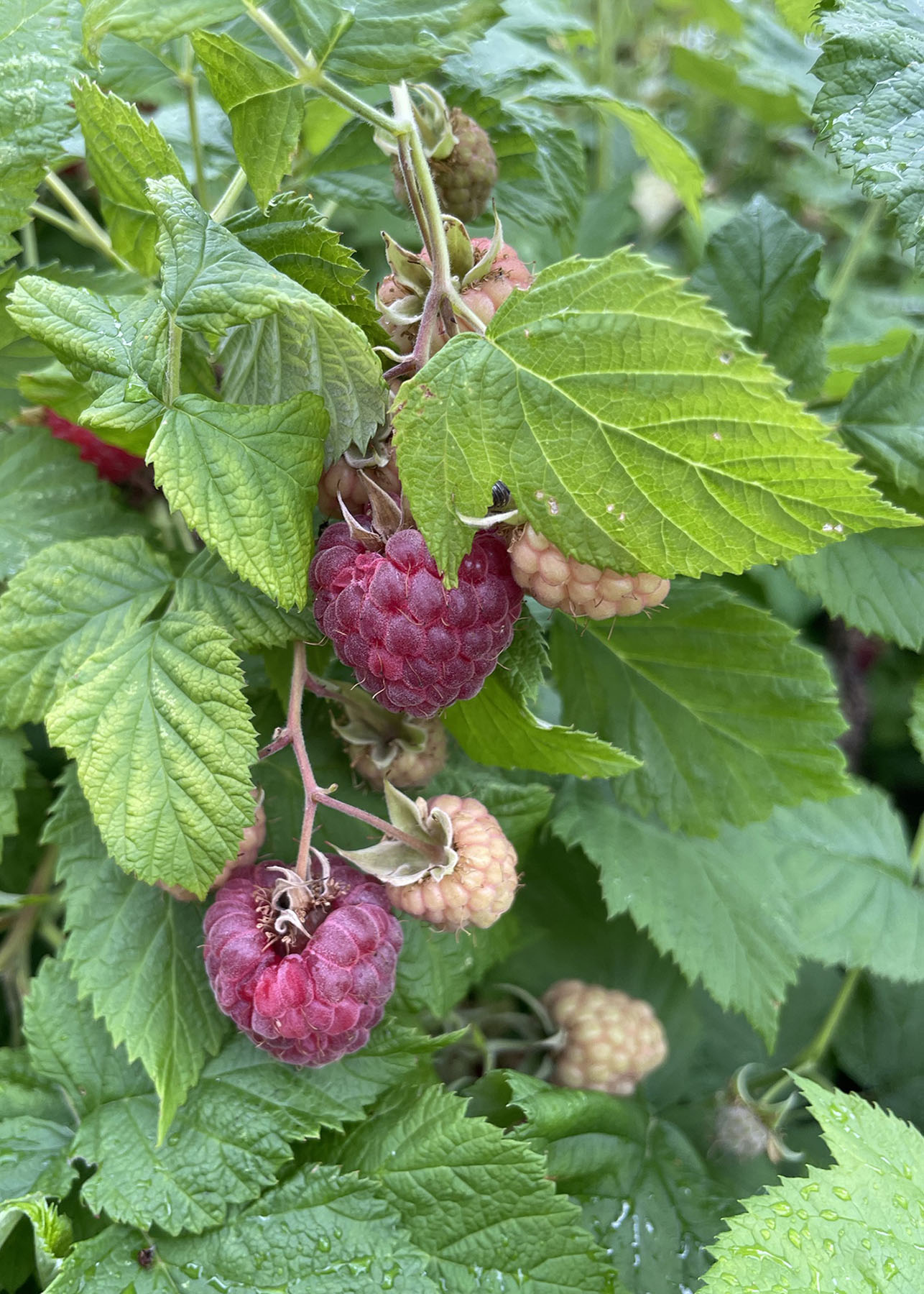
Routine raspberry pruning results in fewer pest problems and bigger harvests.
Photo courtesy of MelindaMyers.com
Break out the leather gloves, heavy long sleeve shirt or coat, pruners and head out to your raspberry patch. Proper routine pruning can help reduce the risk of disease, manage insect pests and boost productivity.
When and how to prune raspberries is based on the type of raspberries you are growing and how you prefer to manage them. Summer and everbearing raspberries form fruit on two-year-old canes.
Start pruning once the worst of winter weather has passed and before growth begins in spring. Remove any canes that bore fruit last summer back to the ground. These canes are done producing and when left in place, they increase the risk of insect and disease problems and make harvesting more difficult. Leave the one-year-old canes intact, including those that bore fruit on everbearing plants last fall. These one-year-old stems will produce berries this coming summer.
Now thin the plantings to three to four canes per foot or six to eight stems per hill. This will allow for better light penetration and air circulation, helping reduce disease problems and increase productivity.
Slightly trim back side branches and remove no more than one fourth the total height of the remaining stems. Avoid more severe pruning that can greatly reduce the harvest.
Fall raspberries can be cut to the ground. Pruning back all the stems eliminates the summer crop, but results in an earlier and larger fall harvest.
Provide plants with a bit of support, if needed. Training is best done and easiest at planting, but if you skipped this step you may want to consider implementing a narrow-hedge row system. Training raspberry plants keeps the berries off the ground, increases light penetration, boosts productivity and makes harvesting much easier.
You can either install sturdy posts two feet into the ground at the end of each row or every 20 feet. Secure heavy gauge wire to the posts at 40” above the ground to help keep the plants upright. You can use a second wire surrounding the planting and secured a bit lower on the posts.
Another option is to use single or double T trellises. Run wires between the arms to help hold the plants upright. Consult your local extension service's raspberry publications for more details on these and other training methods.
Enlist summer pruning to help keep your raspberries healthy and productive. Once you have finished the summer harvest, remove any canes that bore fruit along with insect-infested and diseased stems. Destroy these to further reduce future pest problems.
Make raspberry pruning a regular part of garden care. Your efforts will be rewarded with fewer pest problems and bigger harvests.
Melinda Myers has written over 20 gardening books, including The Midwest Gardener's Handbook, 2nd Edition and Small Space Gardening. She hosts The Great Courses "How to Grow Anything" instant video series and the nationally-syndicated Melinda's Garden Moment radio program. Myers is a columnist and contributing editor for Birds & Blooms magazine and her website is www.MelindaMyers.com.